

Do you have questions? Contact us!
We are always here to help our customers. You can call 24/7 to answer your question.
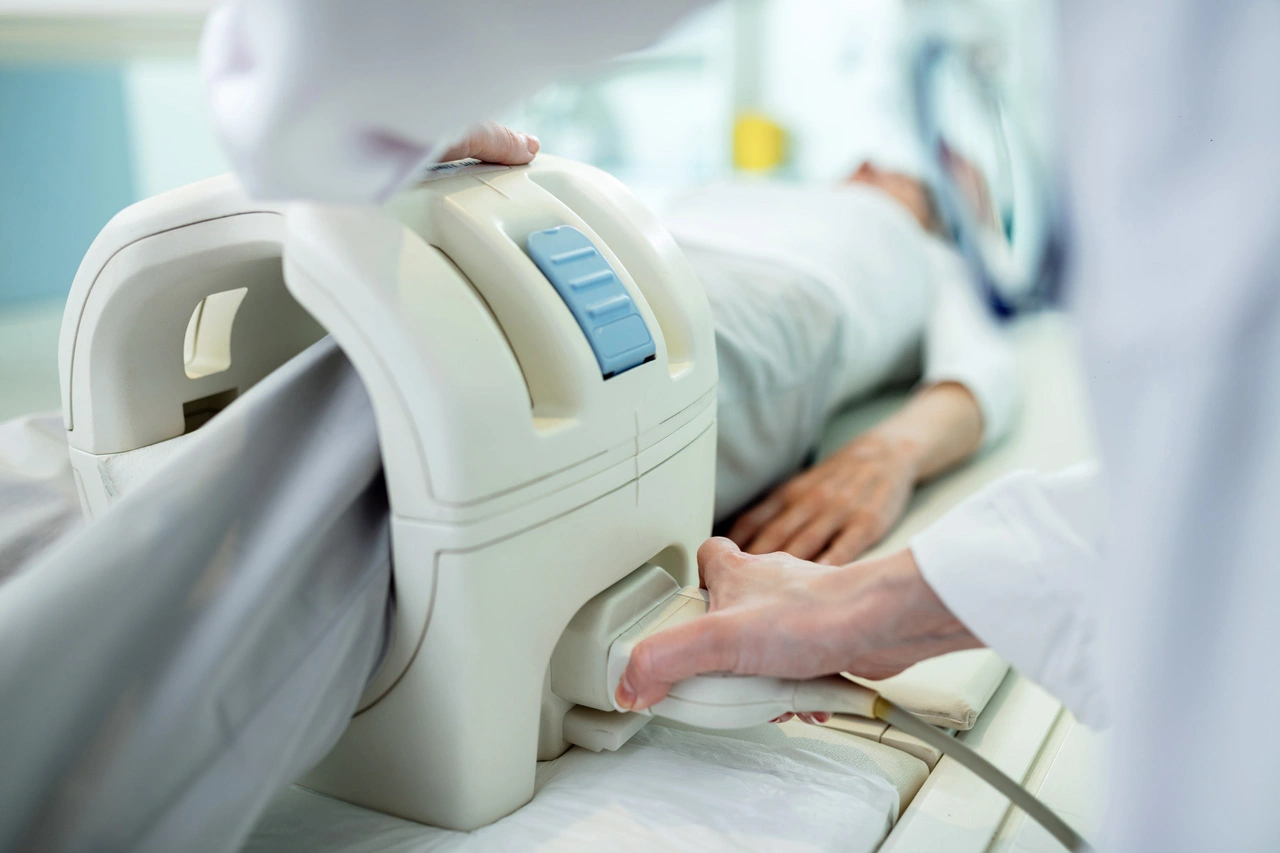
Peripheral Angiography The method is applied to diagnose problems such as narrowing and obstruction in the foot vessels. Our specialists assist our patients with peripheral arterial disease in the treatment process.
During the peripheral angiography procedure, as a result of the general examinations of our specialists, the patient is entered through the vein in the arm or groin area. By using advanced and special techniques, blood flow to the vessels is ensured in a healthier way.
We continue to bring health to all corners of the world with our doctors who are experts in peripheral angiography in our country. In order not to put the cardiovascular health of our patients abroad at risk, we bring you Peripheral angiography and other methods with our specialists.
Peripheral angiography and other treatment methods are applied under the leadership of our doctors to help you regain your health.
Curiosities About Peripheral Angiography
The most common symptoms for peripheral angiography include pain in the arms and legs, which can occur even at rest. Weakness and numbness in the limbs are also among the most common symptoms.
Non-healing wounds and ingrown hair on the legs are also symptoms of peripheral angiography. A very weak or absent pulse in the legs is also a symptom.
The likelihood of serious complications and risks from peripheral angiography is very low. However, it is known that peripheral angiography can be associated with many risks in many applications.
Especially swelling, bruising and bleeding are among the most common risks. However, arterial injury is one of the risks that may occur due to the tube inserted into the artery.
Peripheral angiography is also preferred as a more reliable and effective method for people with kidney disease. Peripheral angiography can also be performed for kidney patients as CO2 does not affect the health of the kidneys.
However, carbon dioxide angioplasty is more frequently preferred for the renal veins and lower regions. Timing is very important to avoid damage to the kidneys during the procedure.
Before peripheral angiography, medications used regularly may need to be interrupted under the supervision of a doctor. The patient is also instructed not to eat or drink for at least 6 or 8 hours before peripheral angiography.
Peripheral angiography is completed in a short time and local anesthesia is used. The application is performed on the X-ray table for the patient who is awake during the procedure.
Peripheral angiography can be performed especially when diagnosing the risk of a blockage in a person. Peripheral angiography can be performed especially for the detection of blockages in the vessels in the leg area.
Peripheral angiography is one of the most reliable methods to prevent vascular blockages in the leg veins from affecting different regions and diseases. Peripheral angiography is performed to detect narrowing and blockage in the vessels.
Social Media